Published: August 13, 2026
How do you know which inflatable will actually work for your event when two customers can ask for the same thing and end up with completely different needs? The answer comes down to three factors: the physical space you have, the age range of the people using it, and the conditions on the day itself. Once you think through those, the choice becomes much simpler than browsing a long catalog and hoping for the best.
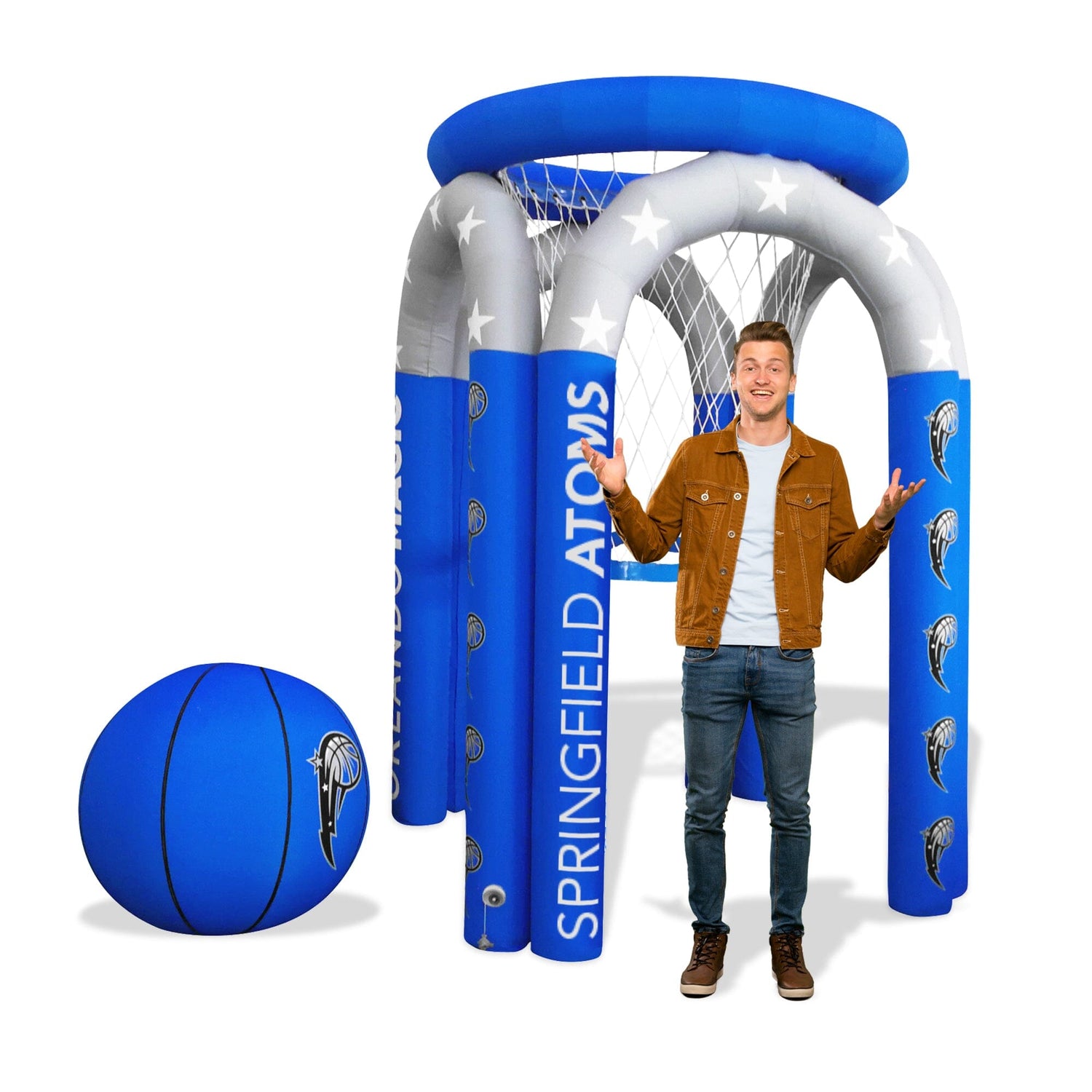
Inflatable rentals often look similar in photos, but the practical differences between models are significant. A bounce house that fits perfectly in a compact backyard may feel cramped for a block party. A tall water slide that works beautifully in July can be nearly useless on a cool afternoon. The goal is not to find the most expensive or largest unit. The goal is to match the unit to the context.
We hear from customers who assume that bigger is always better. In reality, a giant obstacle course can dominate a small yard, leaving no room for tables, coolers, or safe entry and exit paths. At the same time, a low-profile bounce house at a corporate picnic with fifty kids can create long lines and frustration. Quality matters, but so does fit. A well-made inflatable in the wrong space still creates a poor experience.
Understanding the space before choosing a unit
Start with the actual usable area, not the full property size. A customer may say they have a large backyard, but if half of it is taken by a garden, a shed, or a sloped section, the usable flat ground is much smaller. Always measure the flat, obstacle-free area rather than relying on estimates. For most standard bounce houses, you need a minimum of about fifteen by fifteen feet of level ground, plus additional clearance above for tree branches and power lines.
Access paths are equally important. If the only way to the backyard is through a narrow gate, a large inflatable may not fit during delivery. Some units can be rolled through tight spaces, but others require a wider route. Mention any gates, steps, or sharp corners when booking. This prevents the awkward situation of a delivery team arriving with a unit that cannot reach the setup area.
Ground type also matters. Grass is the most common surface, but dry, hard dirt works well too. Concrete or asphalt is possible for many units, but it requires additional anchoring methods and more padding at entry points. If the ground is uneven or has hidden sprinkler heads, the setup team needs to know in advance.
Age range changes the recommendation
The same inflatable can feel very different to a group of three-year-olds versus a group of ten-year-olds. For younger children, lower walls, wide entry ramps, and open interiors are safer and easier to supervise. Tall slides and obstacle courses with climbing walls can overwhelm small kids and create bottlenecks.
For mixed-age groups, consider a unit with separate zones. Some combo inflatables include a bouncing area, a small slide, and a basketball hoop. This lets younger children stay in the bounce area while older kids use the slide. It also reduces the chance that a fast-moving older child collides with a toddler.
Teenagers and adults often prefer challenge-based units. Obstacle courses, jousting arenas, and larger slides hold their attention longer than a basic bounce house. Know who will actually use the inflatable, not just who is hosting the event. A birthday party for a five-year-old with mostly adult guests may need a different unit than a party where twelve kids will be bouncing for two hours straight.
Weather and timing affect the choice
Heat changes everything. On a hot summer day, a dry slide can become uncomfortably warm, and kids will tire quickly inside an enclosed bounce area. Water-capable units solve this problem, but they require a hose connection, a water source with steady pressure, and a plan for wet grass or mud around the exit area. If the customer wants a water slide, the delivery team needs to confirm the water access point is within reach.
Wind is another factor. Most inflatables are rated for use up to a certain wind speed, typically around fifteen to twenty miles per hour. In open areas with no windbreak, a tall water slide can become unsafe faster than a low bounce house. If the event is in a park or on a hilltop, ask about typical wind patterns. Anchoring requirements increase with height and exposed location.
Rain is less about the inflatable itself and more about the schedule. Light rain does not usually damage a unit, but wet surfaces become slippery. If rain is likely, a covered or partially enclosed unit may be a better fit. Some customers choose a smaller, lower-cost inflatable for rainy seasons so that a cancellation does not hurt as much.
Common mistakes customers make when choosing
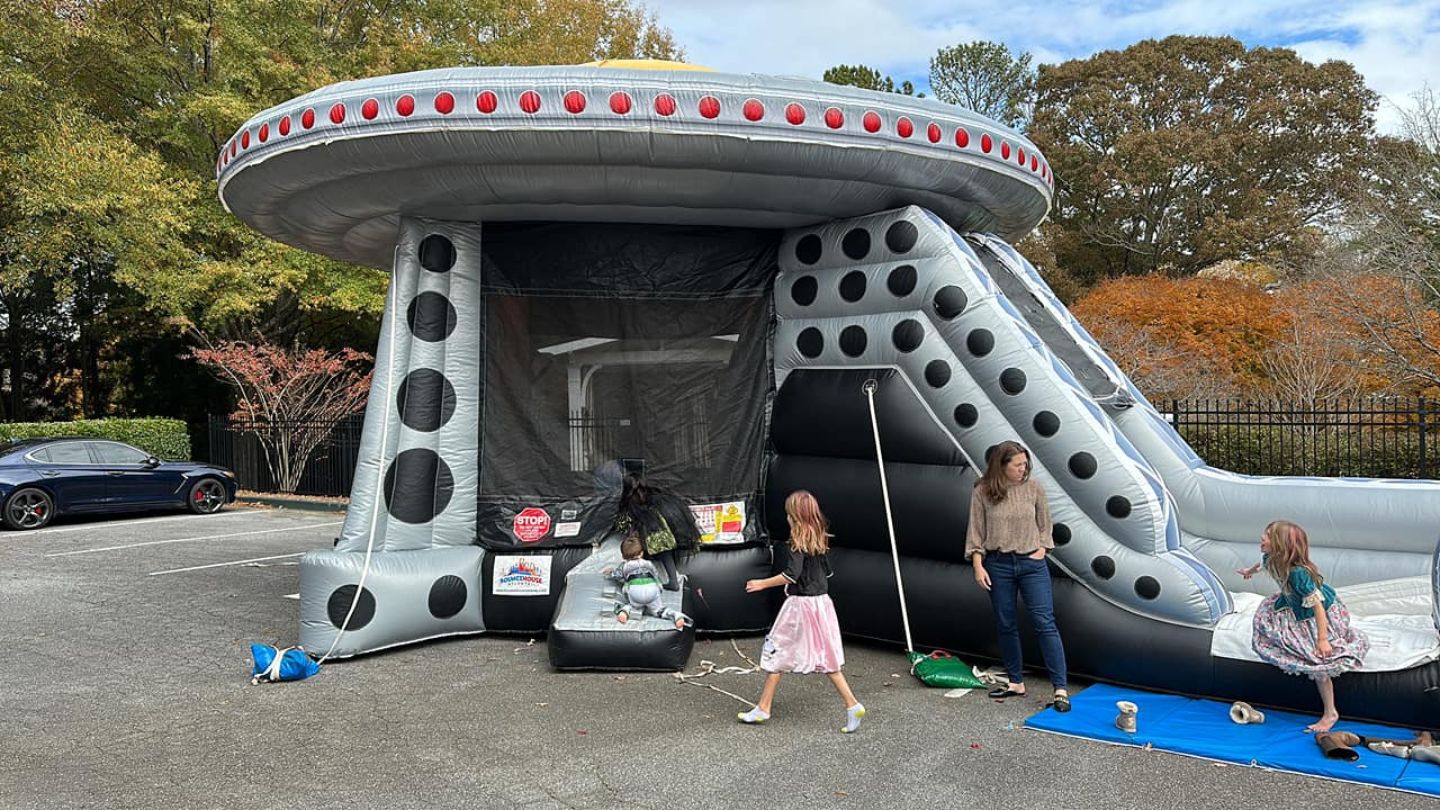
One frequent mistake is underestimating the number of users at peak time. A unit rated for eight children does not mean eight children will use it comfortably for an hour. Kids cluster, jump, and fall. If ten kids arrive at once, the unit becomes crowded. For larger parties, either rent two smaller units or choose a unit with a higher capacity rating than the expected peak group.
Another mistake is ignoring the power source. Most blowers require a standard outlet within about fifty to seventy-five feet. Long extension cords can cause voltage drops, especially with larger blowers. If the event is in a park or far from a building, a generator may be necessary. The generator needs to match the blower's wattage requirements, with some headroom for startup surge.
Customers also forget about supervision. An inflatable is not a drop-off zone. At least one adult should watch the unit at all times. For larger events, two adults on opposite sides help manage entry and exit. Without supervision, even a high-quality inflatable can become unsafe quickly.
Comparing situations, actions, and risks
| Situation | Recommended action | Key risk if ignored |
|---|---|---|
| Small fenced backyard, 8 kids under 6 | Choose a compact bounce house with low walls and open top | Larger unit may not fit through gate or may overwhelm the space |
| Open park, 40 kids, mixed ages, summer heat | Rent a large combo unit with water slide and dry bounce area | Single dry bounce house creates long lines and heat fatigue |
| Concrete driveway, 10 kids, no grass access | Use a low-profile unit with padded entry and heavy anchoring | Hard surface increases injury risk without proper padding |
| Windy hilltop, 20 adults and teens | Choose a low, wide obstacle course with extra stakes | Tall slide may exceed wind rating and become unstable |
| Indoor gym, 15 kids, limited power outlets | Confirm blower wattage and outlet distance before booking | Voltage drop can cause blower to overheat or shut off |
How prices reflect quality without misleading you
Customers often ask why two bounce houses of similar size have different prices. The answer usually comes down to materials, stitching, blower quality, and safety features. A cheaper unit may use thinner vinyl, fewer anchor points, and a noisier blower. It may work fine for occasional use, but it will show wear faster and may not hold up to a full season of weekend rentals.
Higher prices do not automatically mean a better fit. Look for signs of quality such as reinforced corners, double stitching at stress points, mesh windows for visibility, and a blower with a thermal overload switch. These details matter more than bright colors or a trendy theme. A well-built inflatable with a simple design will outlast a flashy unit with weak seams.
For customers who rent frequently, it can make sense to buy instead of rent. But that decision depends on storage space, transport, and maintenance time. Most one-time event hosts are better served by renting a quality unit through a local provider who handles setup, takedown, and inspection.
Simple tips for different situations
- For a toddler birthday in a small yard: pick a low bounce house with a safety ramp and open top; avoid tall slides and climbing walls.
- For a school fair with hundreds of kids: rent multiple units and stagger their use by age group; place a staff member at each entrance.
- For a hot summer block party: choose a water-capable slide or combo unit; confirm hose length and water pressure before setup.
- For a corporate picnic with adults: an obstacle course or competitive jousting unit engages teams better than a standard bounce house.
- For an indoor event: check ceiling height, outlet locations, and floor surface; ask about blower noise if the event includes speeches or presentations.
- For a windy location: choose a lower-profile unit and request extra anchoring; avoid tall water slides in exposed areas.
- For a last-minute rental: be flexible on theme and size; popular units book out early, but a well-maintained alternative often works just as well.
What to ask before you book
Instead of starting with a specific theme or color, start with these questions. How many people will use the inflatable at the busiest moment? What are their ages? Is the setup area flat, grassy, and clear of overhead obstacles? How far is the nearest power outlet? Will there be water access? What is the weather forecast? These answers narrow the options faster than browsing by category.
When you talk to a rental provider, be honest about the space and the crowd. A good provider will ask follow-up questions and may suggest a different unit than the one you originally requested. That is not an upsell. That is experience. The right inflatable is the one that fits your event, not the one that looks best in a photo.
At the end of the day, inflatables are about simple fun. But the path to that fun runs through practical choices. The quality of the unit, the clarity of the setup plan, and the match between the inflatable and the people using it determine whether the event feels smooth or stressful. Pay attention to those details, and the rental becomes the easiest part of the day.